The most effective thrillers do not simply hide the truth from their characters. They surround that truth with convincing lies, false evidence, competing explanations and carefully planted distractions. Danford Meischen’s Ghost Fire uses this kind of global misdirection to create a tense political and military thriller in which every clue could either prevent disaster or lead the world closer to war.
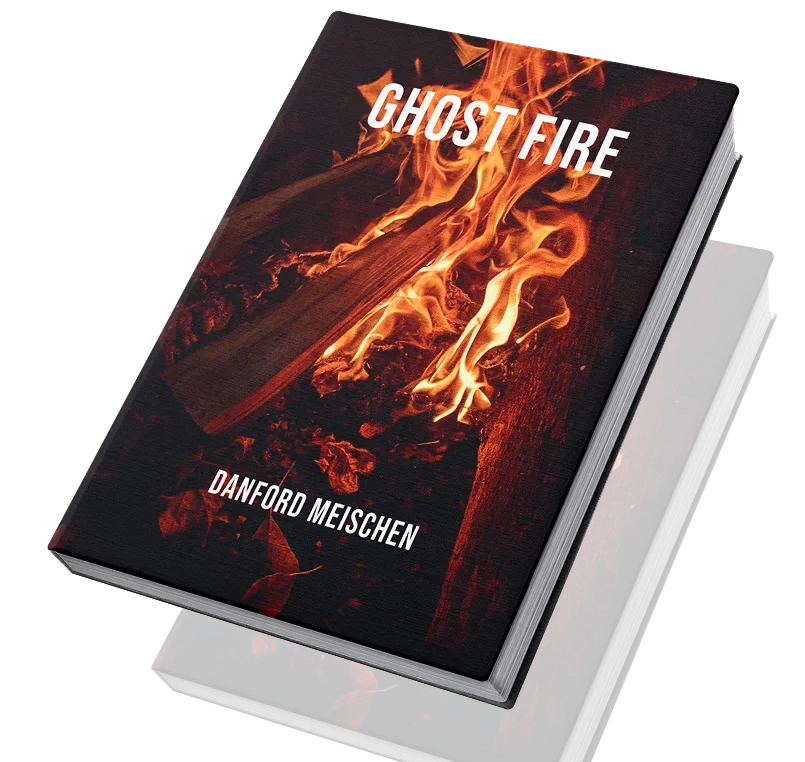
At the center of the novel is Hal Thurgood, a patriotic Texan whose political journey eventually takes him to the presidency. Hal earns support through practical problem-solving, direct communication and a willingness to challenge conventional political strategies. However, the skills that help him rise to power are tested on an entirely different level when the United States faces a coordinated national emergency.
Behind the crisis is a conspiracy shaped by revenge, greed and strategic deception. Ahmet, a disgraced member of the Saudi royal family, wants to punish America for the loss of his family’s wealth and status. To turn that desire into action, he works with Muhammed Saggaf, a mysterious criminal strategist who understands that the strongest operation is not always the one with the most weapons. Sometimes, it is the one that controls what the enemy believes.
Rather than leaving investigators with one clear trail, the conspirators create several. Connections to Saudi Arabia, Mexican cartels, Chinese identities, encrypted communications, stolen explosives, commercial trucks and digital records send intelligence agencies in different directions. Each piece of evidence appears important, but the complete picture remains hidden.
This is where Ghost Fire generates much of its suspense. Readers are allowed to see parts of the conspiracy taking shape, while government officials struggle to determine which threats are real and which have been deliberately manufactured. That difference in knowledge creates constant tension. Readers understand that time is running out, yet the people responsible for protecting the country are buried beneath conflicting reports and misleading intelligence.
The misdirection is especially effective because it uses existing weaknesses within powerful institutions. Important warnings are dismissed as unlikely. Reports are misrouted or buried. Government agencies protect their own information instead of sharing it. Employees become more concerned with procedure, appearances and internal politics than with connecting troubling details.
As a result, the danger does not grow in complete secrecy. Pieces of it are noticed by analysts, agents, informants and ordinary citizens. The problem is that those pieces rarely reach the right person at the right moment.
Technology makes the deception even more believable. False identities are supported by digital histories. Messages appear to originate from foreign military systems. Surveillance tools, tracking devices, drones, facial recognition and encrypted networks can expose the conspiracy, but they can also strengthen it. Evidence that appears objective may have been designed to produce exactly the wrong conclusion.
When the attacks begin, misdirection becomes more dangerous than the weapons themselves. Political leaders, military commanders, intelligence officials, journalists and the public demand immediate answers. Foreign countries deny involvement, while false digital trails encourage accusations and retaliation. Hal must resist pressure to react emotionally before the facts are known.
That conflict gives the novel its strongest edge-of-your-seat moments. A wrong assumption could lead to military escalation. A delayed decision could cost more lives. Meanwhile, the true architects of the crisis remain hidden behind the confusion they created.
With its international scope, layered conspiracy, technological intrigue and escalating political pressure, Ghost Fire keeps readers questioning every apparent answer. Danford Meischen shows that in modern conflict, the most powerful weapon may not be an explosive or a drone. It may be the ability to make an entire nation look in the wrong direction.